William & Mary · TIDAL Lab
Bailey
Jannuzzi
PhD Student · Mathematical & Computational Biology
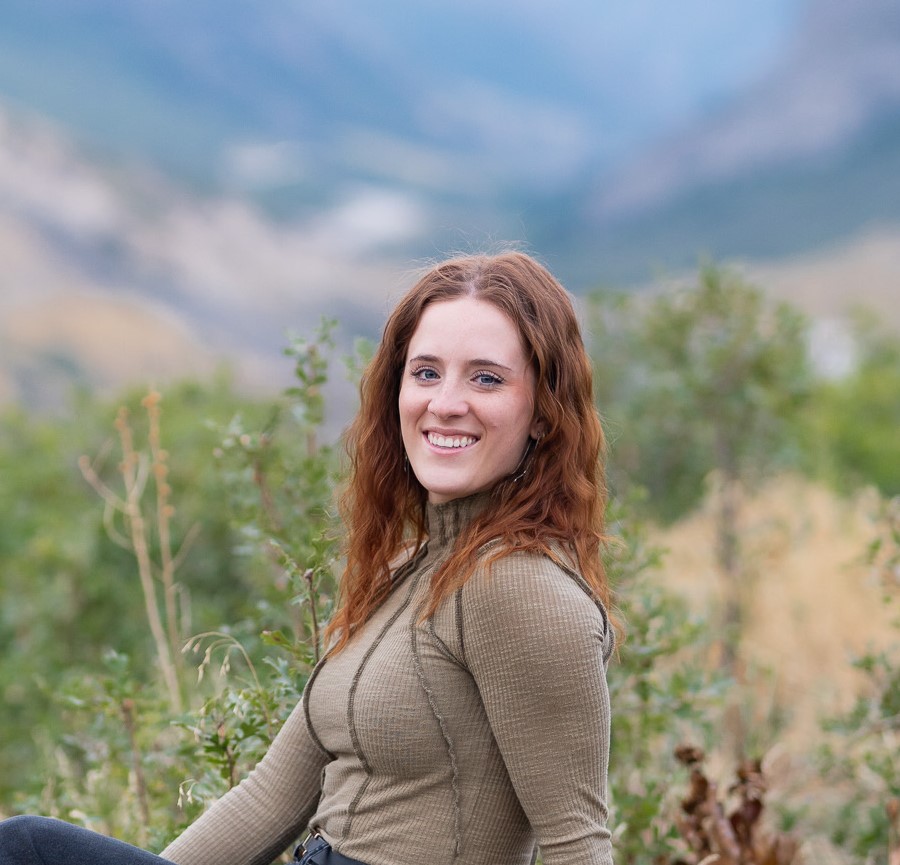
Incoming PhD student studying microbial community assembly and graph neural networks in the TIDAL Lab at William & Mary.
William & Mary · TIDAL Lab
PhD Student · Mathematical & Computational Biology
Incoming PhD student studying microbial community assembly and graph neural networks in the TIDAL Lab at William & Mary.
She/Her
I'm an incoming PhD student in Mathematical and Computational Biology at William & Mary, joining the TIDAL Lab under Dr. Geoffrey Zahn.
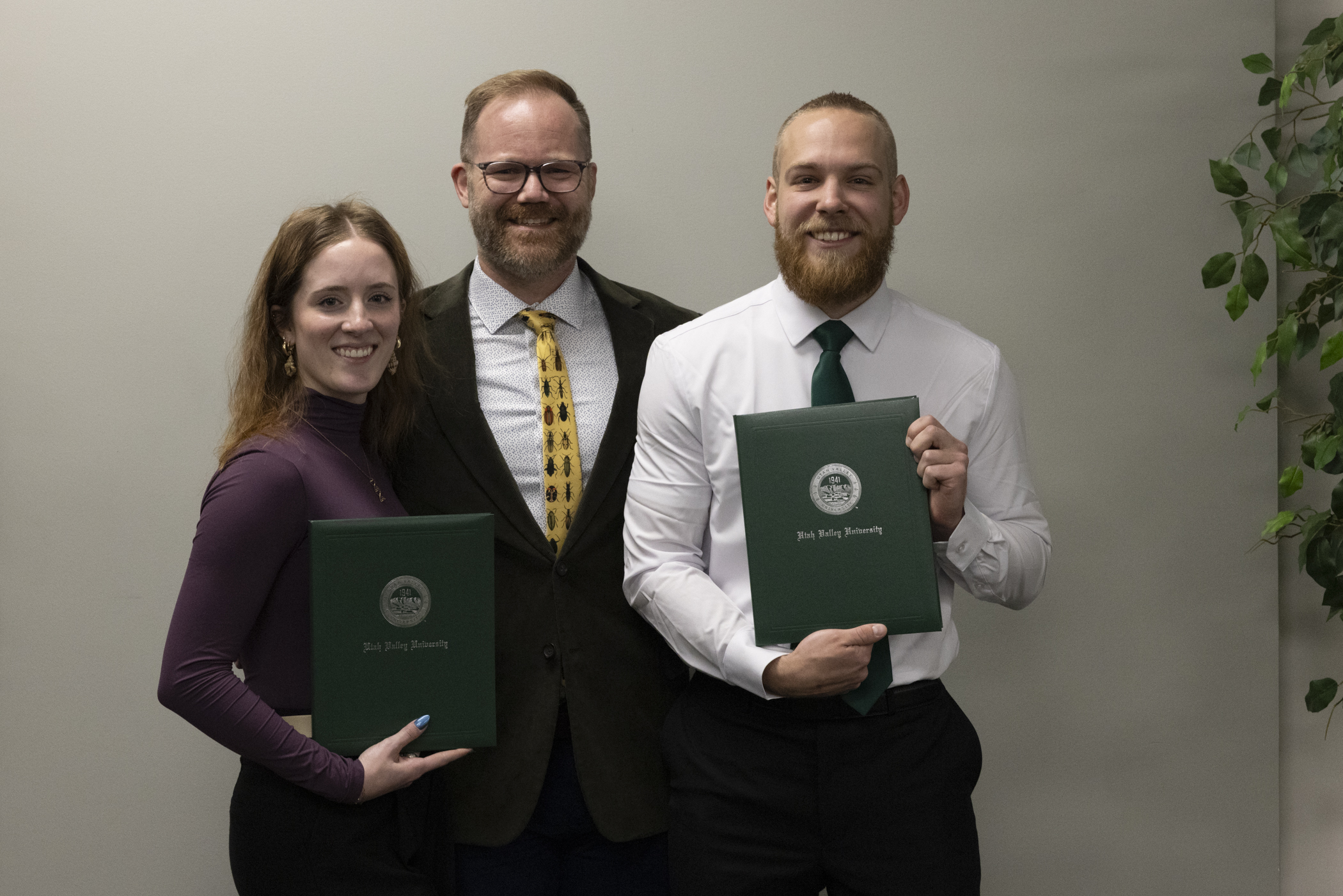
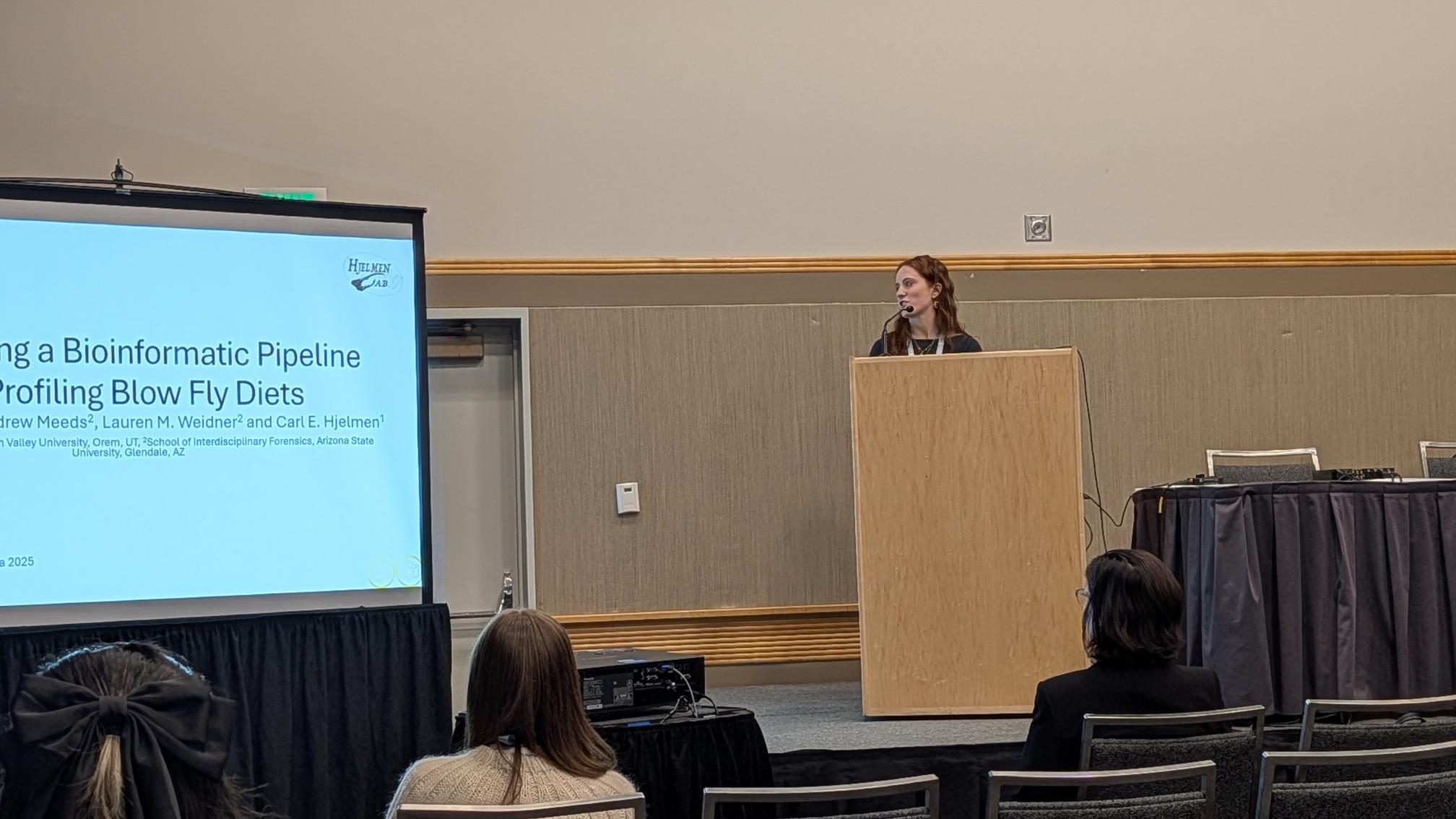
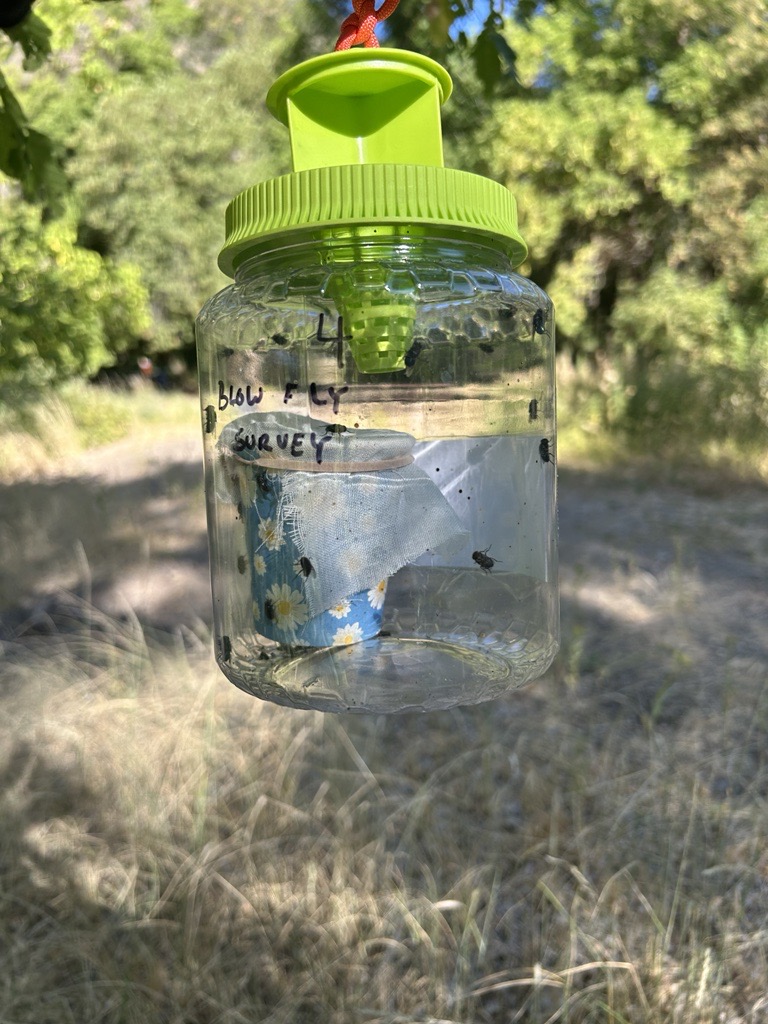
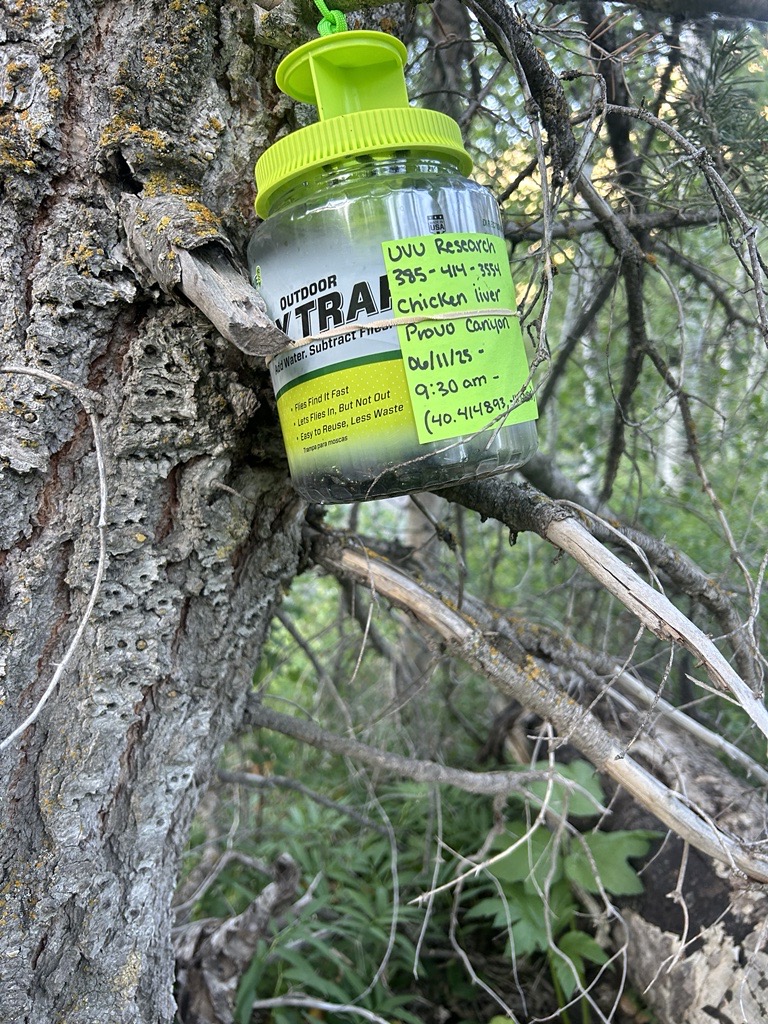
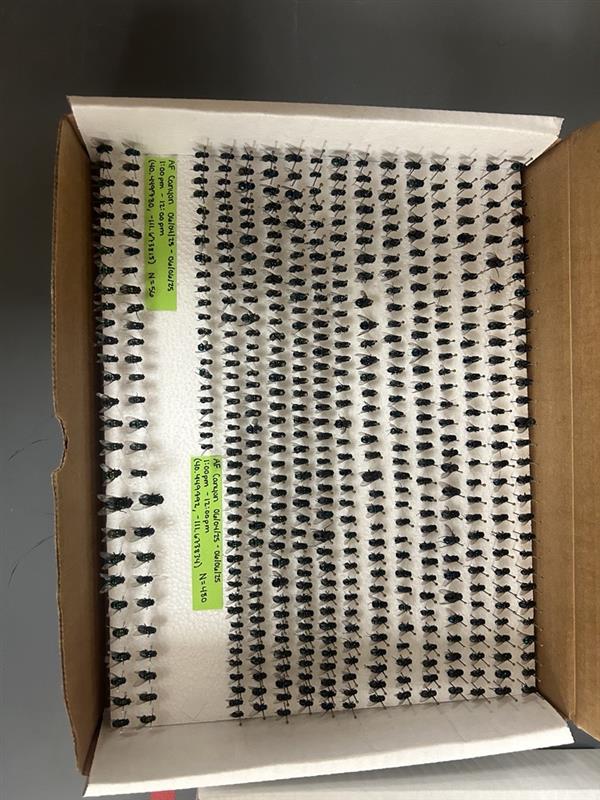
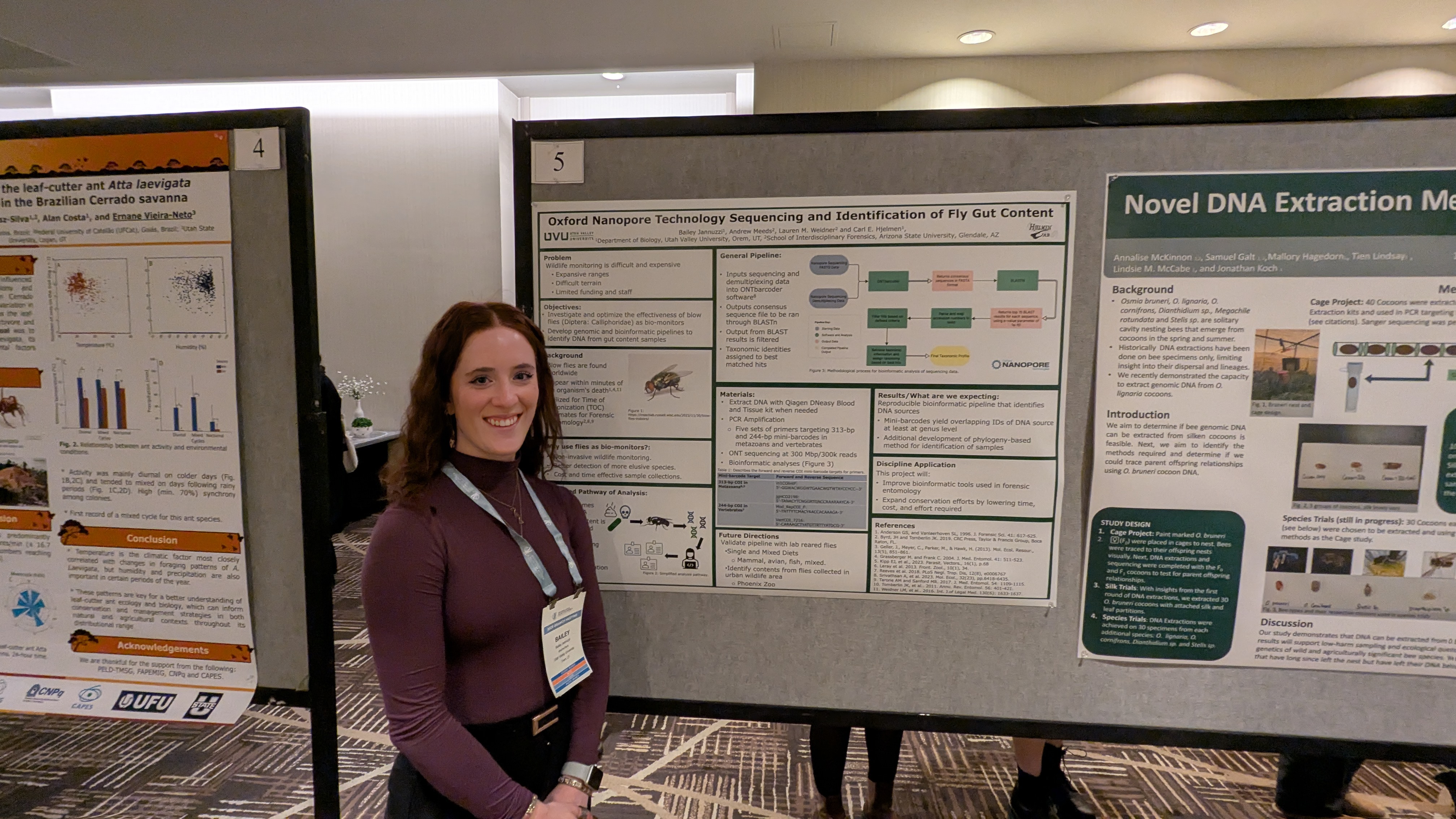
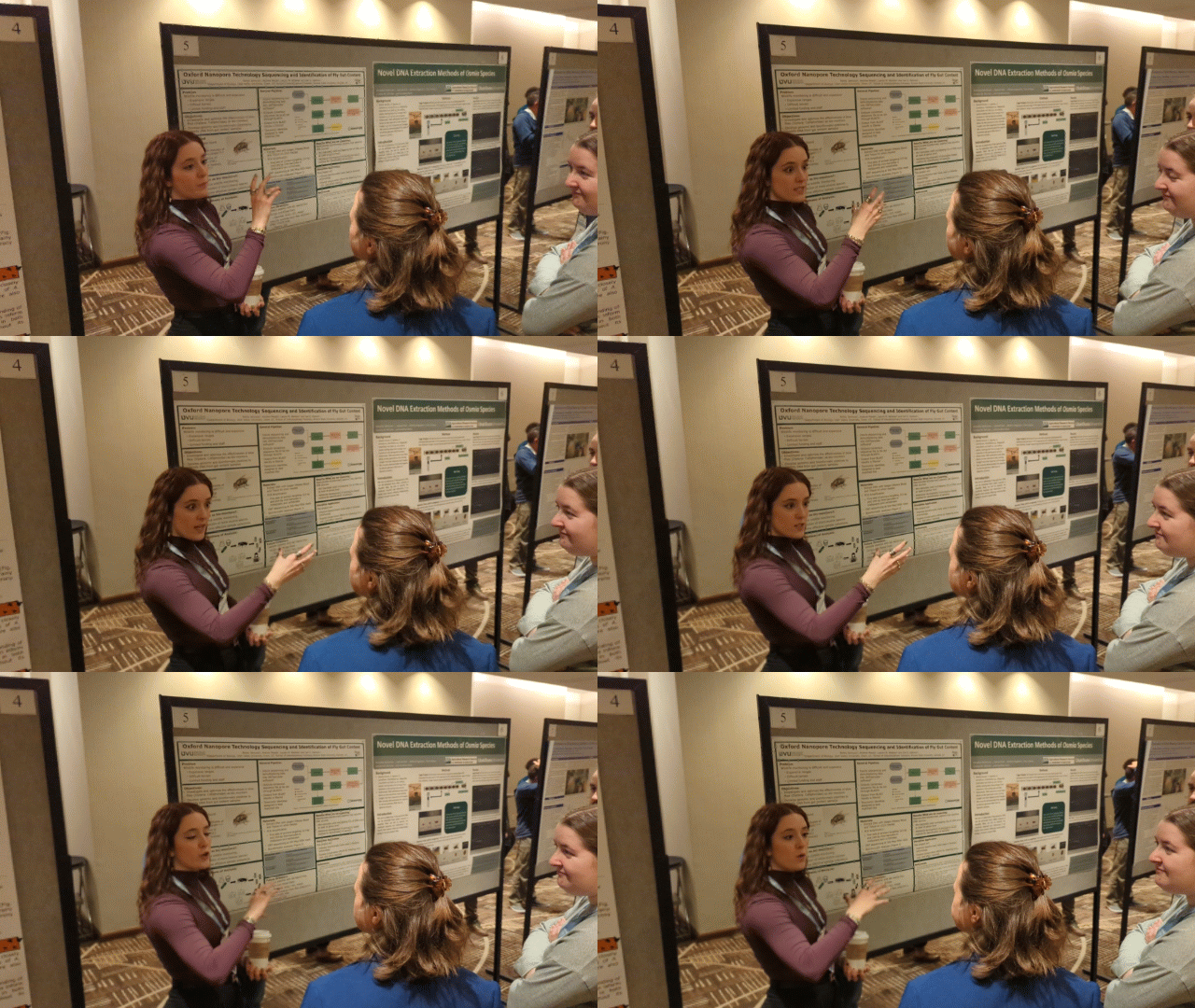
I grew up just outside of Denver, Colorado. In 2022, I moved to Orem, UT to attend Utah Valley University, where I later received my B.S. in Bioinformatics. During my time at UVU, I worked with Dr. Carl Hjelmen doing blow fly surveys across Utah, wet-lab work, and building bioinformatic pipelines for taxonomic identification of blow fly diets related to forensic work and conservation biology.
At William & Mary, my work will focus on microbial community assembly and applying graph neural networks to understand how microbiomes coalesce.
Outside the Lab
Info
PhD Student, Math & Computational Bio
TIDAL Lab · William & Mary · Aug 2026
B.S. Bioinformatics
Utah Valley University · 2026 · GPA 3.81
Colorado → Utah → Williamsburg, VA (Aug 2026)
TIDAL Lab · William & Mary
My PhD research will focus on microbial community assembly, with a particular interest in applying graph neural networks (GNNs) to model how microbiomes coalesce. The details are still developing; check back as things take shape.
The TIDAL Lab studies microbial diversity, assembly, and linkages, using microbiomes to improve plant and ecosystem health via metagenomics, microcosms, field surveys, and ML/AI.
Previous Research · Utah Valley University
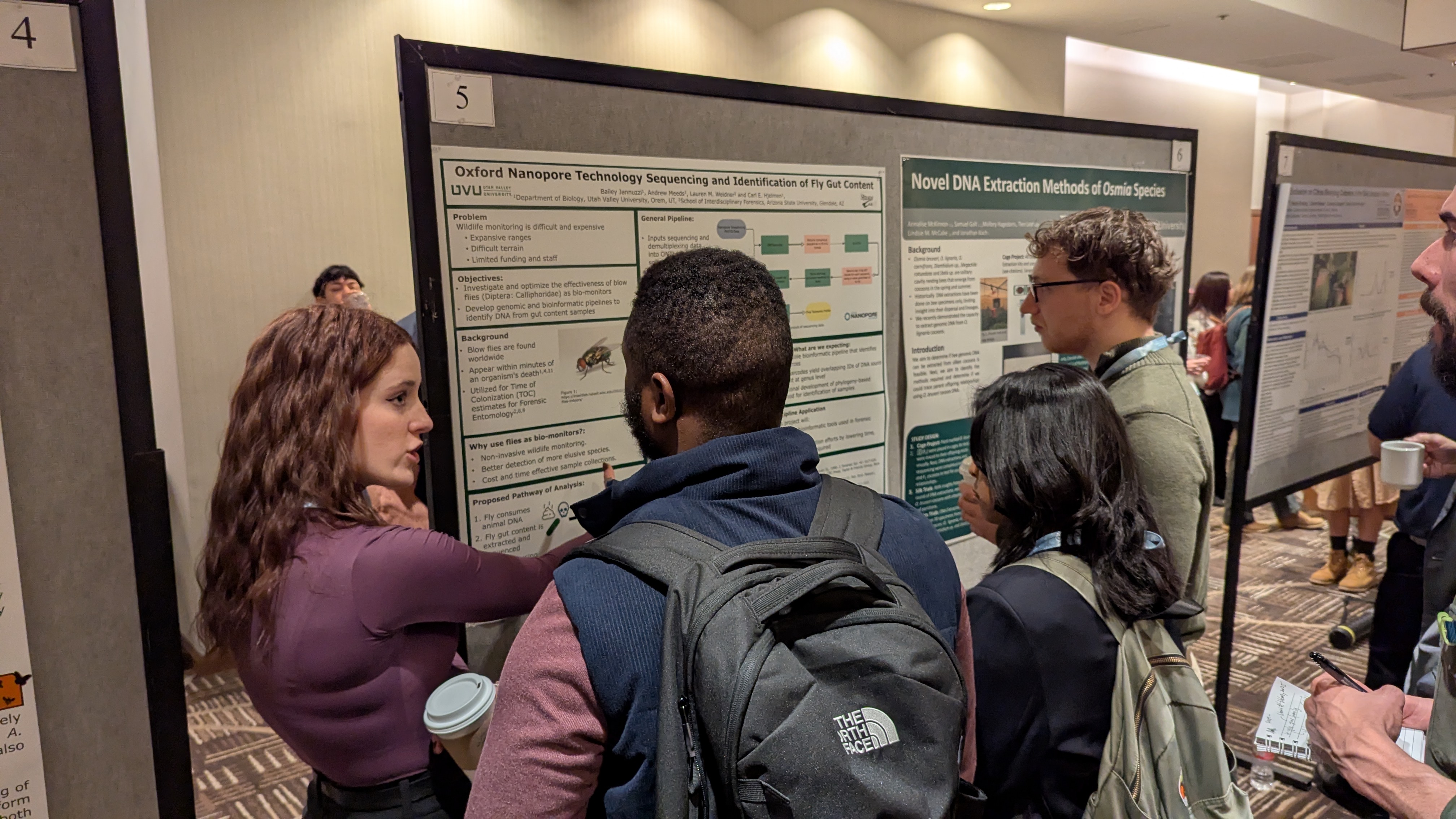
Hjelmen Lab (2024–2026): Built reproducible bioinformatic pipelines using Oxford Nanopore Technology to identify environmental DNA from blow fly gut contents, investigating their potential as wildlife monitors. Also contributed to blow fly biodiversity field surveys across Utah ecoregions.
Advisors & PIs
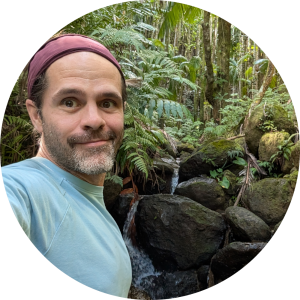
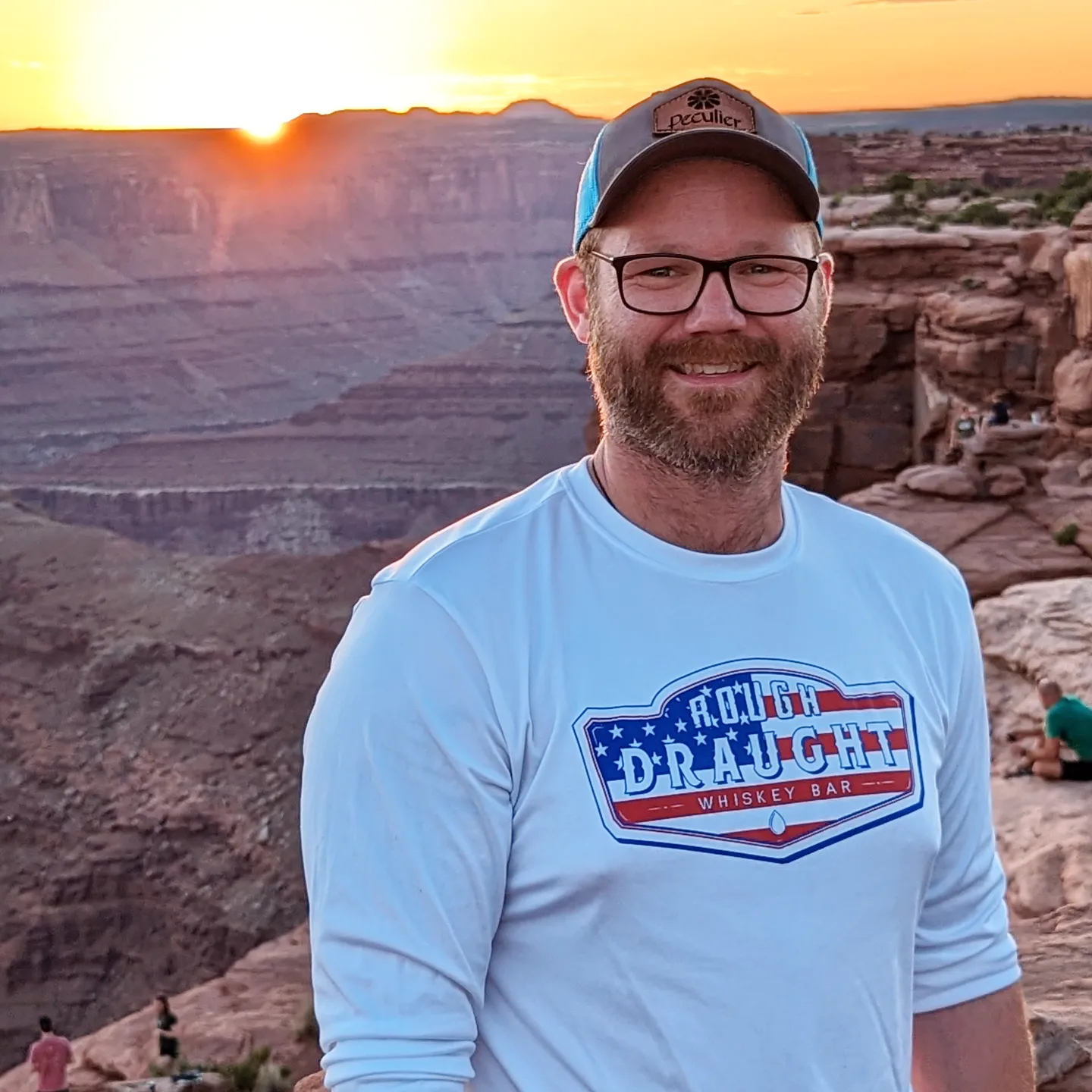
Undergraduate Research Advisor
Associate Professor · Hjelmen Lab
Utah Valley University
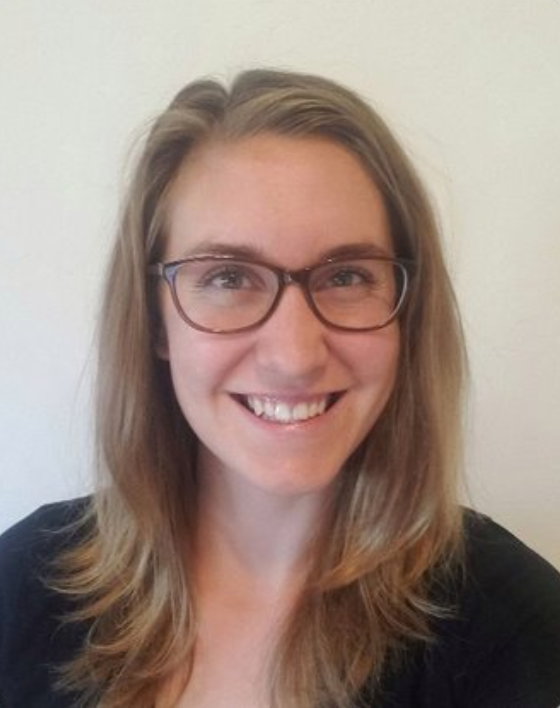
Collaborators
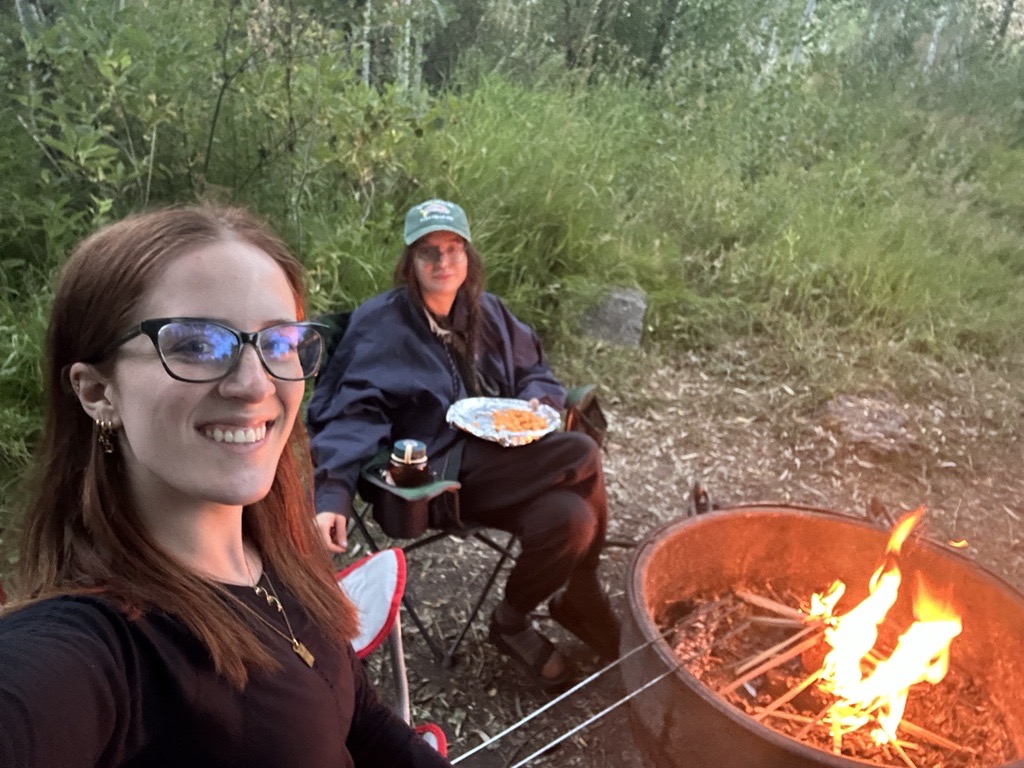
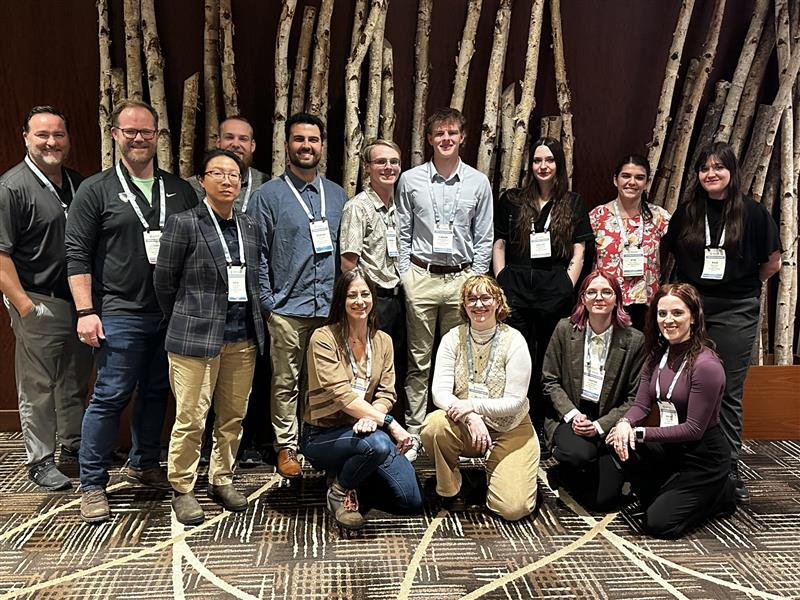
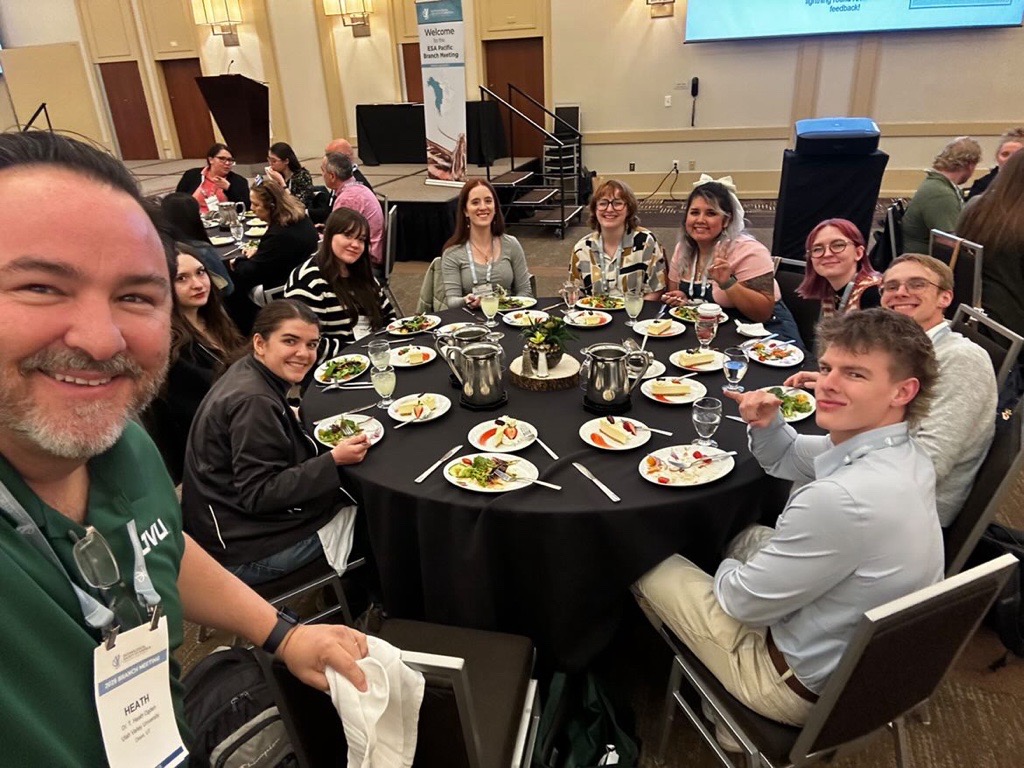
Lab, Field & Conferences
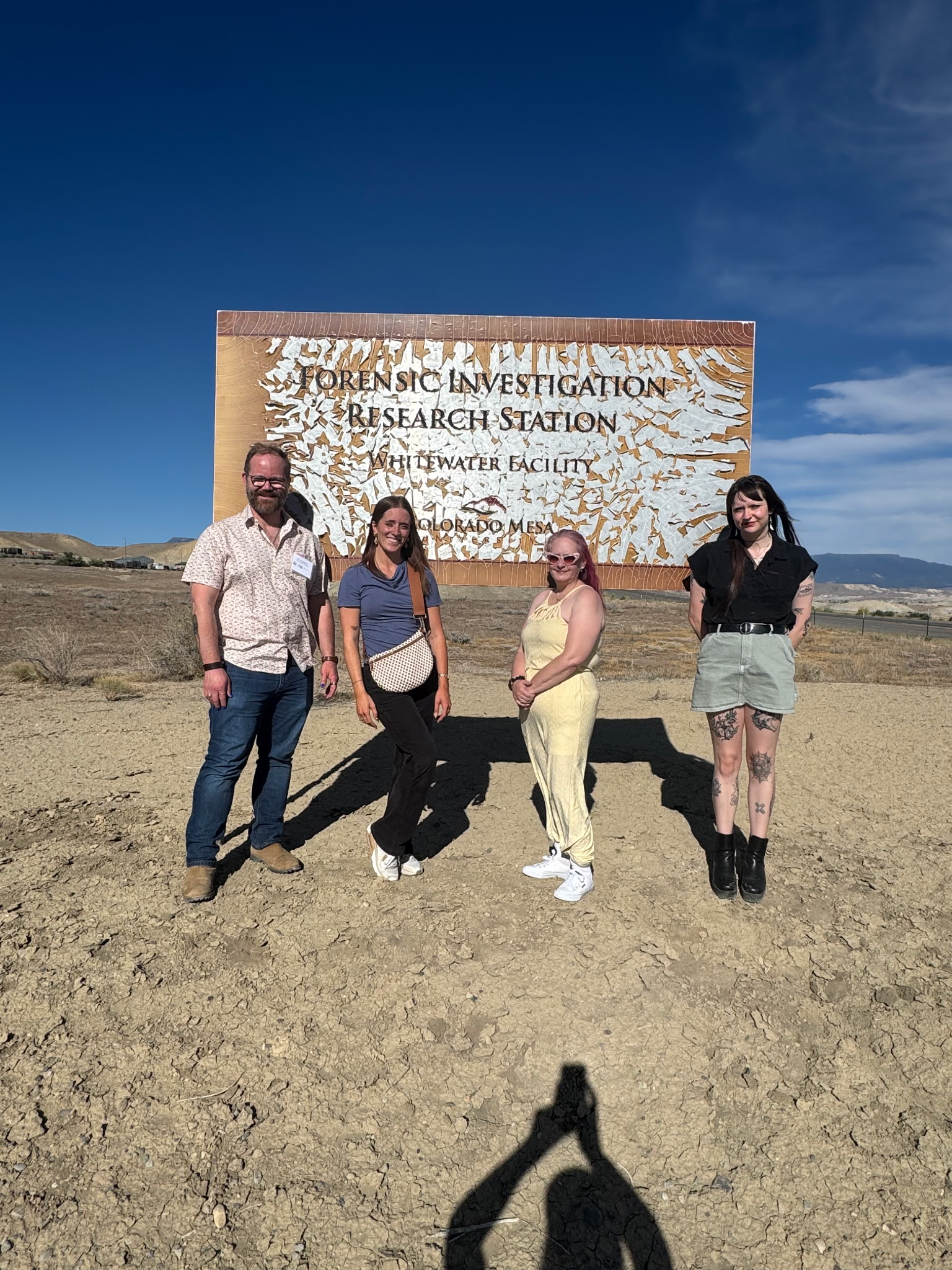
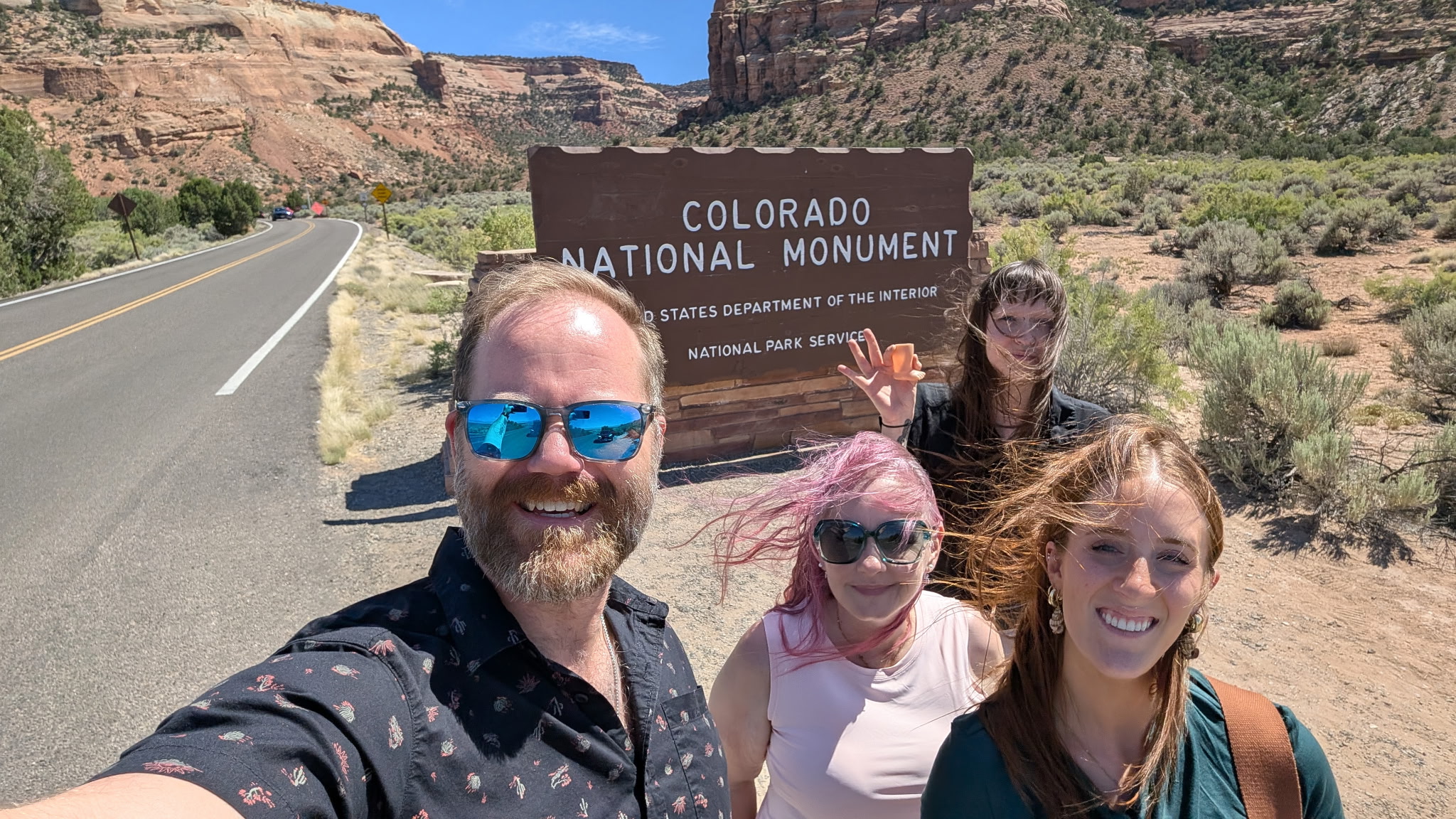


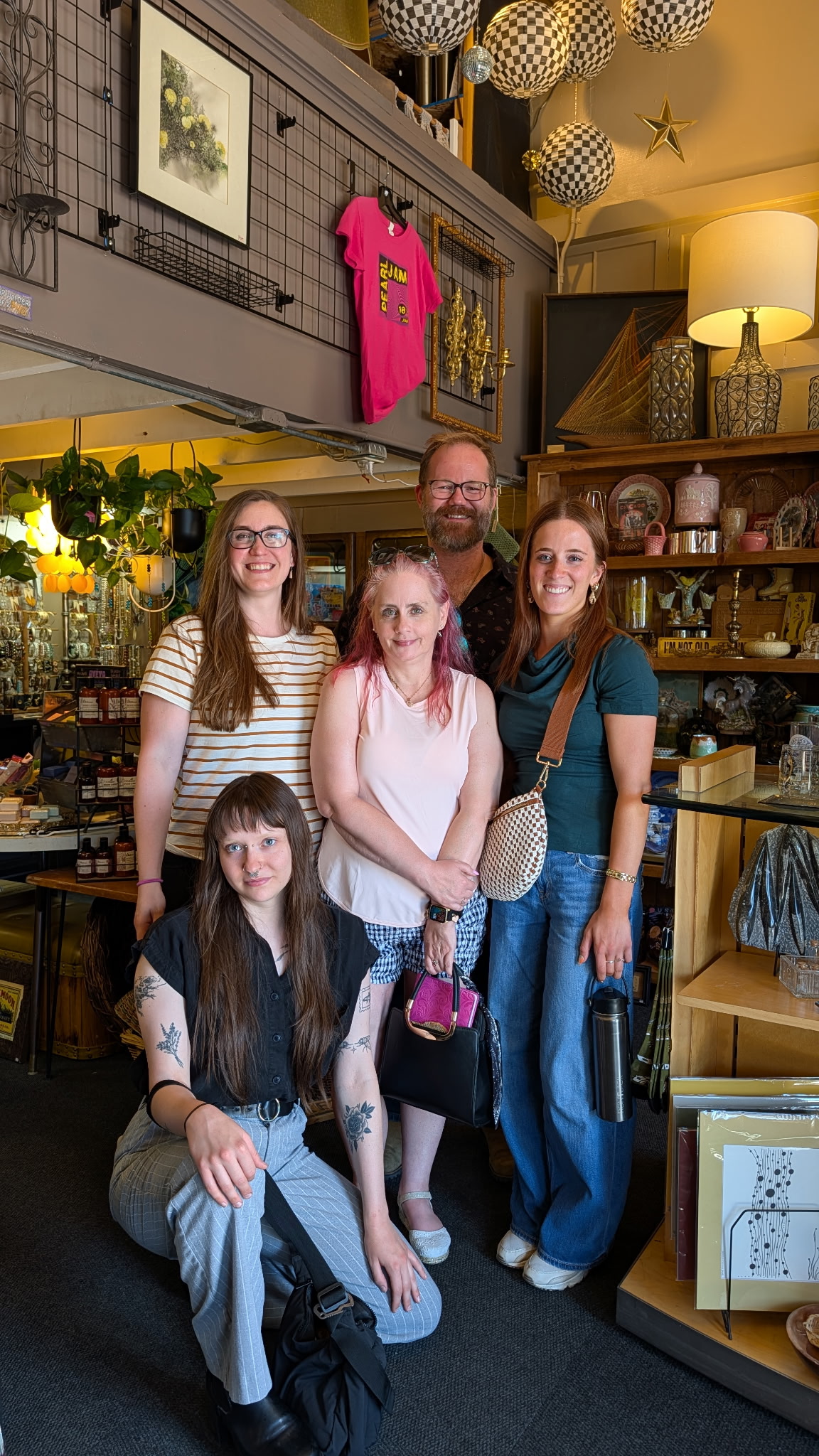
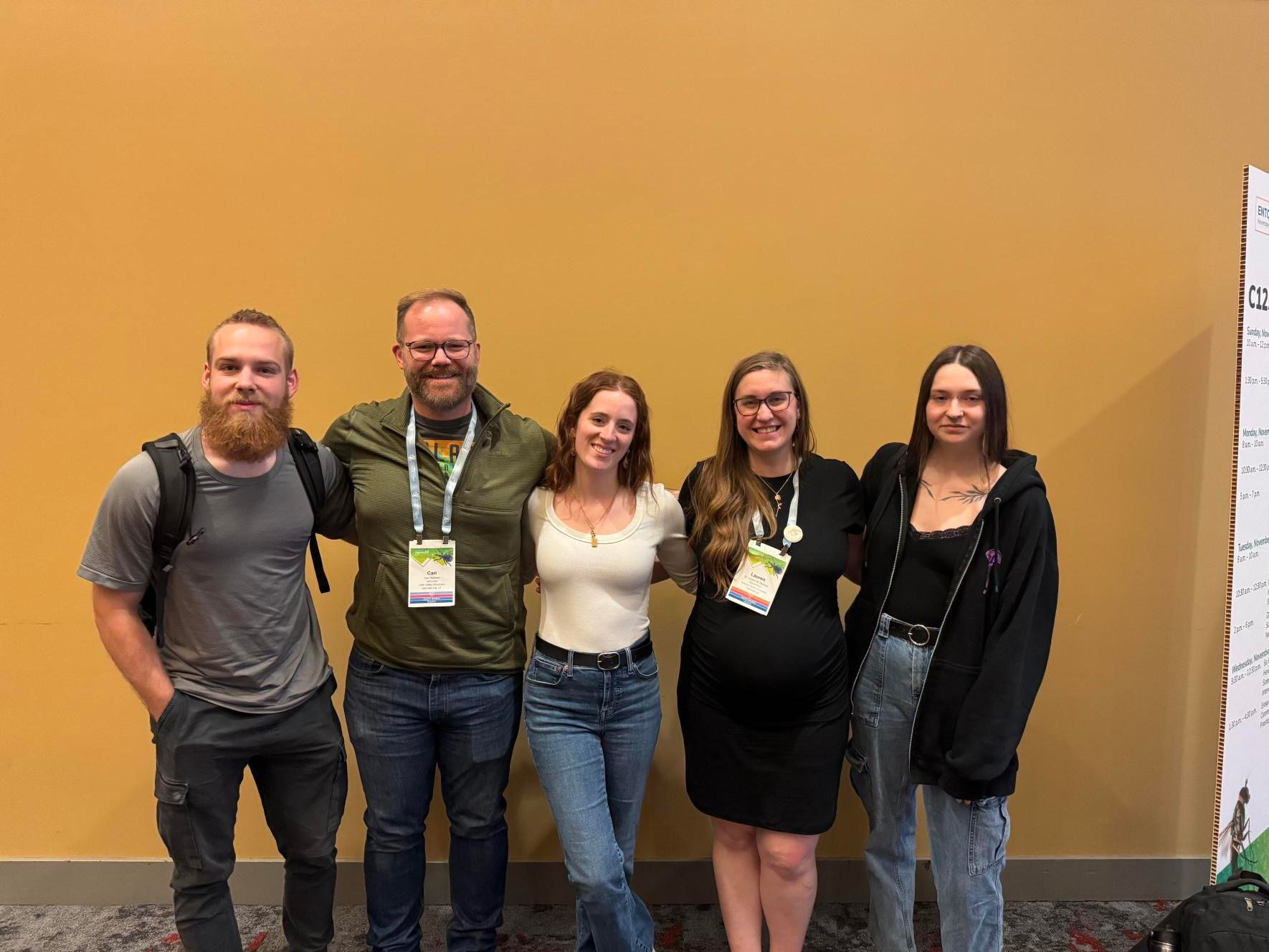
News & Science Communication
Science communication is another passion of mine. Especially right now, effective, meaningful, and engaging discussion with the public about research is needed. While many classes require students to engage with the literature and listen to talks and presentations, efficient scientific communication isn't widely taught. I believe strongly in learning how to better help everyone learn to discuss, understand, and engage with science, regardless of their educational background.
Here are a few talks I recommend to go check out:
Great talk about how to communicate science to everyday people. In the age of social media and misinformation, scientists need to speak on their research themselves, and not just let media sensationalise misunderstood research. Jo also outlines how we as scientists often talk about statistics, but often times statistics can be impersonal and scary to those not equipped with the background necessary to understand what new research means for them. We as scientists need to learn to connect our research and its impacts to real stories and people because while it is exciting to discover something new, science isn't about you, it is about advancing knowledge for the benefit of everyone.
While not focused on science communication, I think this is still a great watch to see a professor reflect on the current state of science and the importance of funding basic science. This video is also an example of how scientists can engage with the public and explain the importance and impacts of basic scientific research.
"Simple language does not mean simple thinking." (12:40). Another good watch reflecting on the relationship between scientists and the public; discussing how language is used differently by the public versus scientists, and how this language barrier affects public perception of science. Fergus brings up these points in his talk: (1) the language of science is objective and complex in order to be clear, but that doesn't resonate with everyday people, (2) the words we often use in science have vastly different contexts to their usage outside of science, (3) science requires a lot of detail to be reproducible, but the public doesn't have time to understand every detail. Fergus stresses that science should be told as a story that is easy to relate to, something that draws and keeps attention while still communicating the details in a way that is familiar to a broader audience.
Science, math, and many other subjects often just teach the answers, but like children, curiosity and attention is captured by stories. Lucy talks about how humans have always passed down knowledge through stories because it is easier to see ourselves in the characters. She goes on to talk about how kids today don't seem to be interested in science — she uses gravity as an example. When speaking to kids she phrases things differently, "if you went to Mars, you could jump higher and farther", then asks, "what would it be like to play soccer on Mars?". She describes kids then getting excited, because the science is no longer an abstract thing, but something they can begin to think about and imagine. We can't want to understand something we never see; if more people engage with science not solely from hard to read papers, but through personal connection, people will be able to see scientists not as mysterious beings in a lab, but as people who want to understand and better the world around them, and they can start to imagine themselves as scientists as well.
This video discusses two main issues in how media presents research, and how it leads to a skewed perception of science. Often results of studies are oversimplified and mystified, and while audiences don't need every detail, they do need more than just a quick statement that lacks nuance. Media often values bold, shocking, and simple headlines. When we allow for the oversimplification of ideas by thinking that the public cannot or do not want to understand more, we show that we value simplified answers and that more context and research is not needed; that quick answers are the best answers.
While this video is about math and not science communication, it is another example of how people's curiosity is driven by stories. He talks about how the YouTube videos that get the most views on his channel are on math concepts that truly do not matter to most people. Then why are so many people watching these videos? Because he starts his videos not by showing an intimidating and complex equation, but showing visually what the equation does and the story behind it first, and then showing the real math. We also can learn from this. When we tell the story of what our research can and is doing first, people's curiosity will follow, that is how we get someone wanting to learn more.
Contact
Institution
William & Mary · Williamsburg, VA
Starting August 2026
Lab